Foam mattresses use resilient, cushioning materials to support the body and help distribute pressure during sleep. Their construction can include different foam layers, each contributing to comfort, support, or motion absorption. Understanding mattress materials and firmness helps compare options for bedrooms, guest rooms, and other sleep settings.
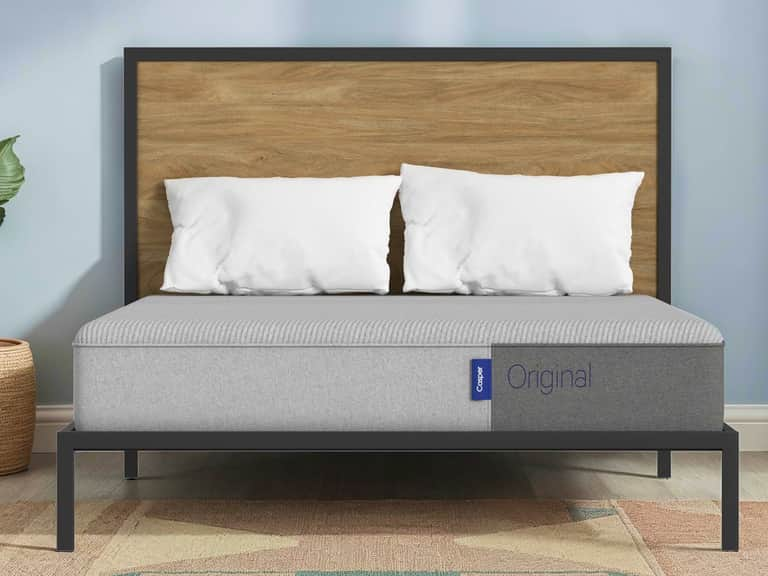
The Original Mattress is one option in this category, with a foam-based design intended to combine cushioning and supportive comfort. Its layered construction can help reduce the feeling of movement across the sleep surface. As with any mattress, comfort depends on individual preferences, sleeping position, body type, and the bed frame used.
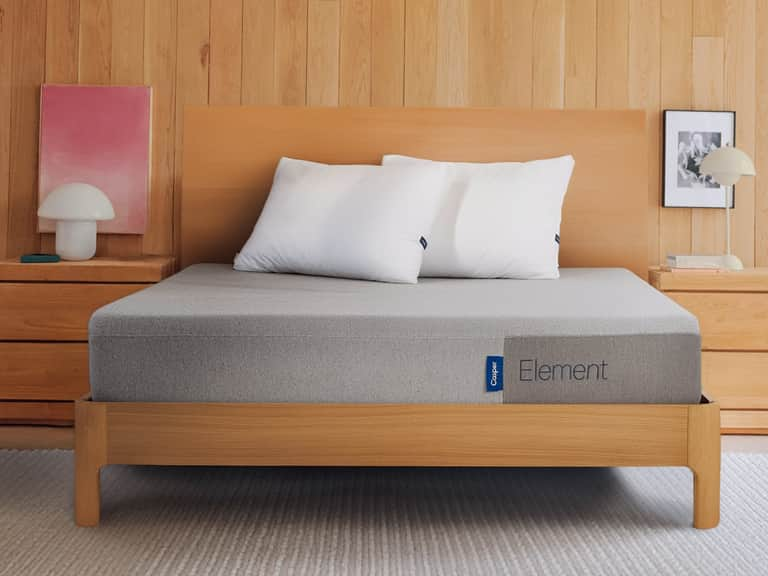
The Element Mattress is another foam mattress option, designed for everyday sleeping needs. Foam can contour to the body and cushion pressure-sensitive areas, while the mattress’s overall feel depends on its materials and layer arrangement. Comparing the Element Mattress with the Original Mattress can clarify differences in comfort and support preferences.
When evaluating foam mattresses, consider firmness, thickness, material composition, and how the surface responds to movement and pressure. These characteristics affect comfort and usability, but they do not replace personal fit. Mattress selection is also distinct from choosing bedding and pillows, which influence warmth, surface feel, and alignment.
Foam mattresses are generally associated with adult and general-purpose sleep spaces; nursery needs may call for products designed specifically for infants. Organic mattresses and organic crib mattresses are separate categories whose material standards and intended uses should be checked carefully. For any mattress, review its construction, care guidance, and compatibility with the intended bed.
 Mattresses